


Can Shockwave Therapy Help With Plantar Fasciitis and Chronic Heel Pain?
Can Shockwave Therapy Help With Plantar Fasciitis and Chronic Heel Pain?
Heel pain can turn everyday activities like getting out of bed, walking to work, or exercising into uncomfortable tasks. For many people, plantar fasciitis is the cause, particularly when pain is sharp during the first few steps in the morning. At San Ramon Chiropractic, we offer shockwave therapy in San Ramon, CA, as a noninvasive option for certain cases of persistent heel pain.
What Causes Plantar Fasciitis and Chronic Heel Pain?
The plantar fascia is a thick band of tissue that supports the arch and connects the heel to the front of the foot. Repeated strain can irritate this tissue, leading to pain beneath the heel. Symptoms may improve as you move, then return after prolonged standing or activity.
Plantar fasciitis may be associated with changes in activity, limited calf flexibility, footwear, and prolonged time on your feet. However, not every case of heel pain is plantar fasciitis. An evaluation helps distinguish it from other possible causes before treatment begins.
How Does Shockwave Therapy Work?
Extracorporeal shockwave therapy (ESWT) uses targeted acoustic waves to stimulate responses in affected tissue. Research suggests it can help reduce pain and improve foot function in some people with chronic plantar fasciitis, although outcomes vary and improvement is not always immediate.
At our San Ramon practice, we use the PiezoWave2 system to deliver shockwave therapy. This treatment does not require incisions or injections. We focus on the painful area and adjust the intensity based on your comfort and treatment needs.
When Might Shockwave Therapy Be Considered?
Shockwave therapy may be worth discussing when heel pain continues despite an appropriate trial of conservative care. Signs that you may benefit from an evaluation include:
· Morning heel pain: Sharp discomfort with your first steps after waking up.
· Activity-related discomfort: Pain after prolonged standing, walking, or exercise.
· Persistent symptoms: Heel pain that interferes with normal routines.
· Limited improvement: Discomfort that continues despite stretching, footwear changes, or other initial measures.
These symptoms do not confirm plantar fasciitis on their own. We assess your concerns and medical history to help determine whether shockwave therapy is suitable or another approach is needed.
What Should You Expect During a Session?
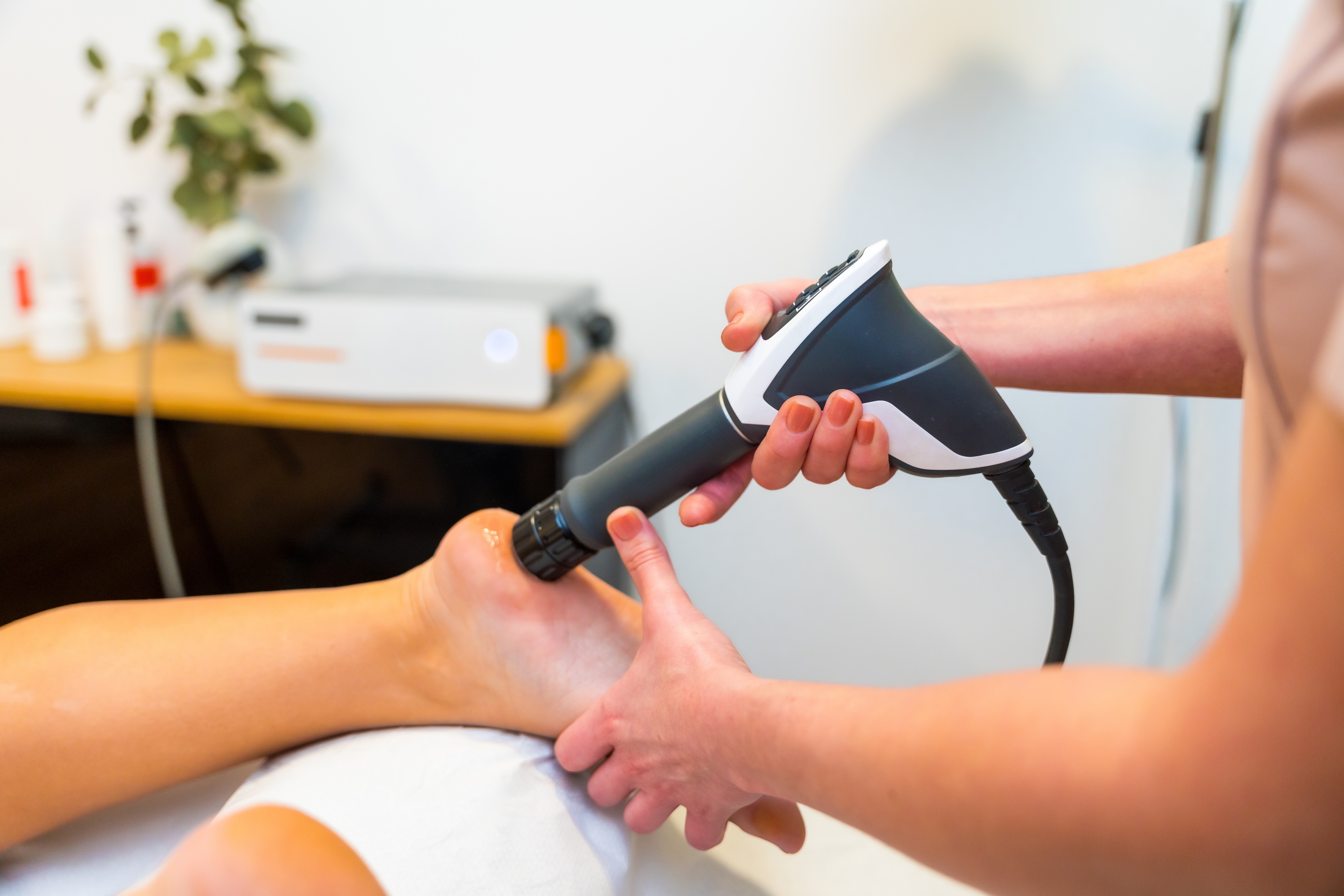
A typical PiezoWave2 session takes approximately 10 to 20 minutes. We apply gel to the treatment area and use a handheld applicator to direct acoustic waves toward the affected tissue. You may feel tapping, pressure, or temporary discomfort, and we can adjust the intensity as needed.
Our typical treatment course may involve three to five sessions, often scheduled once or twice weekly. Your recommended plan depends on your symptoms and response. Mild tenderness or redness may occur afterward, but most people can resume routine activities, following individualized guidance.
Can Shockwave Therapy Be Combined With Other Treatments?
Shockwave therapy is not a substitute for understanding why heel pain developed. Depending on your needs, care may also involve calf and plantar fascia stretching, appropriate footwear, gradual activity changes, or other conservative measures. We work with you to discuss realistic goals and whether further evaluation or referral would be appropriate.
If chronic heel pain is limiting your daily activities, contact San Ramon Chiropractic in San Ramon, CA, at (925) 854-4200 to schedule an evaluation and find out whether shockwave therapy may be right for you.
Quick Links
Helpful Articles


MAP
© 2026 San Ramon Chiropractic. All Rights Reserved. Accessibility Statement - Privacy Policy - Sitemap
Powered by: 